Why Cuban Bakery Aurora CO Is Worth the Trip
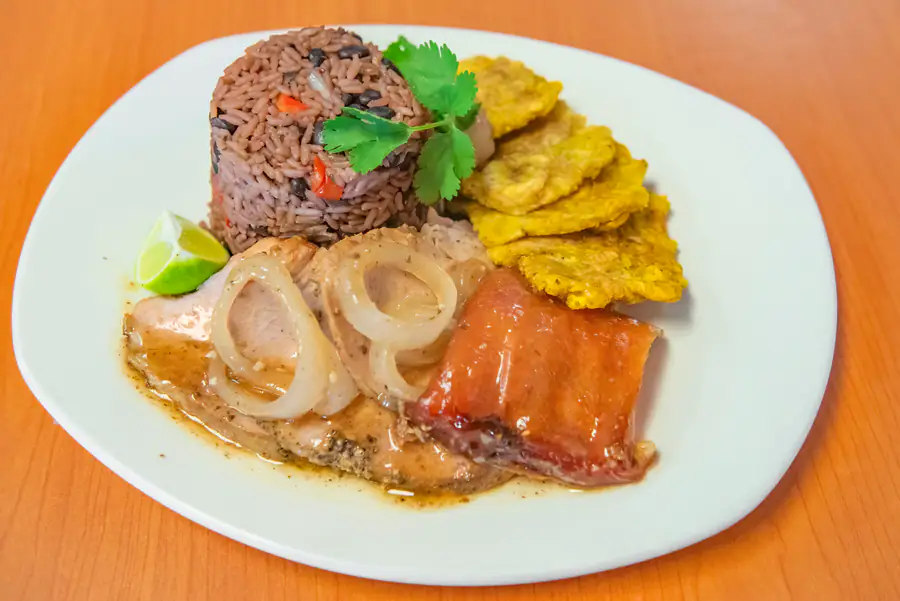
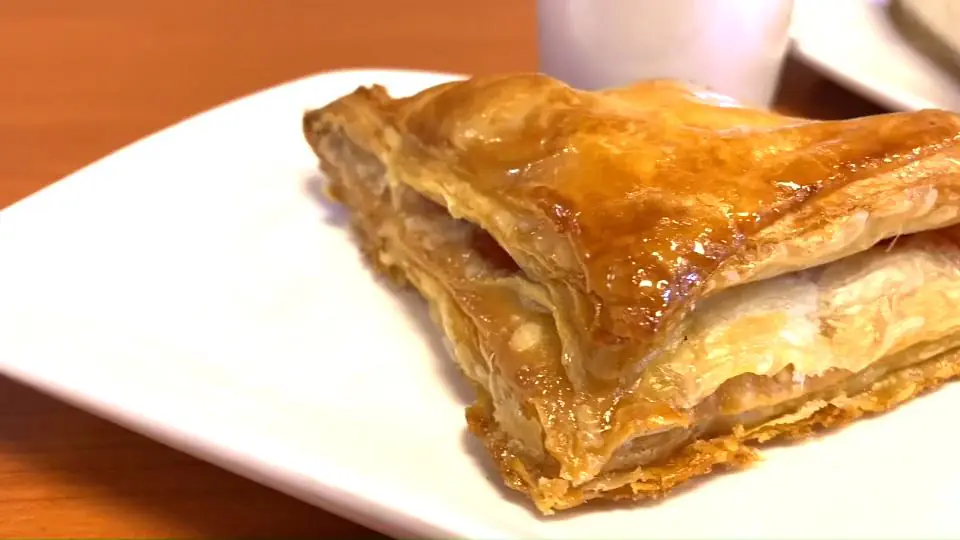
There are some food stops you make because they are convenient, and then there are the ones you make because they reset your expectations. A good Cuban bakery falls firmly into the second category. If you have ever walked into a bakery where the air carries butter, sugar, espresso, and warm bread at the same time, you already know the pull. You can feel it before you reach the counter. The glass cases are crowded, the trays turn over fast, and regulars do not need a menu because they already know what they came for.
That is why a search for a Cuban bakery Aurora CO is not really about grabbing a random pastry. It is about finding a place that still treats baking as daily craft, not just retail inventory. It is about texture, timing, and balance. The flaky shell has to shatter just enough. The guava cannot be one-note sweet. The bread needs structure, chew, and a crust that does not go leathery by noon. The coffee should be short, bold, and fragrant, not an afterthought poured from a pot that has been sitting too long.
Aurora is a particularly good place for that kind of search. The city has the kind of food culture that rewards curiosity. People drive across neighborhoods for dumplings, tacos, Ethiopian platters, pho, and pastries that taste like someone still cares about technique. A strong bakery can thrive in that environment because customers notice details. They can tell the difference between something that was baked with intention and something that arrived frozen in a box.
What makes a Cuban bakery worth the trip is not novelty. It is precision paired with comfort. You go because the food tastes familiar to some people, revelatory to others, and satisfying to everyone if it is done right.
The first thing you notice is the bread
Most people talk about pastries first, but bread is where a bakery reveals itself. Sweet items can hide flaws. Good fillings and powdered sugar cover a lot. Bread cannot. A bakery that turns out excellent Cuban bread, or any bread inspired by that style of baking, has to get fundamentals right. Fermentation matters. Shaping matters. Oven management matters. So does volume. Bread is at its best within a relatively small window, and high turnover is often a good sign.
When I judge whether a bakery is worth revisiting, I pay attention to the loaf before I touch a pastry. The crust should feel light and audible, not hard for the sake of being hard. The inside should pull apart in long, soft strands rather than crumble like packaged sandwich bread. It should hold up to pressed sandwiches, but it should also be pleasant on its own while still slightly warm.
That matters in Aurora because a destination bakery has to justify travel time. If someone is driving twenty or thirty minutes, maybe more depending on traffic, they should leave with more than a dessert box. They should leave with bread for dinner, breakfast for the next morning, and a reason to come back with friends. A place that can do that stops being a bakery and starts becoming part of people’s routine.
Pastries are not just pretty, they are technical
The pastry case is where many bakeries win attention, but the best ones keep it through consistency. In Cuban baking, that often means balancing richness with restraint. The dough should not taste greasy. The fillings should not be cloying. A guava and cheese pastry, for example, works because it plays sweet against tangy, soft against flaky. If the guava overwhelms the cheese, it becomes jam in a wrapper. If the pastry is underbaked, the whole thing turns gummy.
That balance sounds simple until you have tried enough mediocre versions. Good laminated dough is labor-intensive. Fruit filling has to be portioned correctly. Cream fillings have to be chilled and handled carefully. Sugar on top needs enough heat to set without scorching. None of that is glamorous, but it is the difference between a pastry that gets photographed and one that gets finished.
A worthwhile Cuban bakery Aurora CO destination will usually have this kind of discipline built into its daily rhythm. You can see it in the trays that empty quickly and reappear fresh. You can hear it when staff answer questions with confidence because they know what came out of the oven recently and what is best right now. Strong bakeries have that grounded competence. They are not trying to impress you with long descriptions. They let the food do the work.
Coffee changes the whole experience
A bakery can have strong pastries and still miss the mark if the coffee is weak. Cuban bakery culture is inseparable from coffee culture. Even people who come in planning to buy only a pastry often walk out with cafecito, cortadito, or café con leche because the pairing makes each element better. Sweet pastries become less heavy when matched with a short, intense coffee. Savory baked goods wake up next to something hot, dark, and slightly bitter.
This is one of the biggest reasons a dedicated stop feels different from a supermarket bakery run. You are not just buying baked goods, you are stepping into a small ritual. You stand at the counter, hear milk steaming or espresso pouring, and for a few minutes the day slows down. Good coffee service adds energy to the room. It creates repeat customers because it gives people a reason to stop in on an ordinary weekday, not only on weekends when they want a treat.
For travelers or locals exploring Aurora’s food scene, that matters more than people sometimes realize. A bakery that nails coffee becomes useful. It can be your breakfast stop, your late afternoon pick-me-up, or the place you bring out-of-town guests when you want something more personal than a chain cafe.
The savory side is often the deciding factor
Sweet pastries get attention, but savory items decide whether a bakery becomes a habit. Empanadas, croquettes, stuffed pastries, and sandwich breads all test different skills. Savory baking is less forgiving because seasoning mistakes stand out immediately. Fillings need enough moisture to stay pleasant, but not so much that they soak through the dough. Meat has to be cooked and seasoned properly. Cheese has to melt without flooding the pastry with oil.
If you want to know whether the trip is really worth it, pay attention to how the bakery handles this side of the menu. A bakery that can pull off a crisp exterior with a filling that still tastes distinct has real range. It is serving more than dessert. It is giving people lunch, road trip food, office breakfast options, and easy party pickups.
That practical value matters in a city like Aurora. People are busy, distances are real, and destination food has to work around normal life. A box of pastries is nice. A bakery that can also send you home with savory snacks and fresh bread is genuinely useful.
Aurora is exactly the kind of city where a place like this stands out
Not every suburb rewards specialty bakeries. Some places lean heavily on convenience and price. Aurora has enough depth and diversity that quality can become the deciding factor. The city’s dining culture is broad, and residents are used to seeking out specific cuisines rather than settling for generic versions. That kind of environment helps a Cuban bakery find loyal customers, even if it is not right around the corner for everyone.
There is also something important about context. Food tastes different when it is anchored in a community that values it. A bakery in Aurora is not performing authenticity for tourists. At its best, it serves a mixed customer base that includes regulars who know exactly what they expect and curious newcomers who are learning the menu item by item. That mix creates accountability. If the bread slips or the pastries lose freshness, people notice.
I have found that some of the most rewarding food stops in metro areas happen outside the neighborhoods visitors first think of. They require a little intention. You check hours, make the drive, and maybe circle once for parking. Then you walk in and realize the place has already built its own gravity. People are chatting in line. Boxes are stacked near the register. The best items may already be running low. That is usually a good sign.
What separates a destination bakery from a convenient one
Convenience matters. There is nothing wrong with a neighborhood spot that serves decent coffee and a serviceable pastry. But “worth the trip” sets a higher bar. It means the place offers something that survives comparison. Not just with nearby bakeries, but with your own memory of the best version of that item.
In practice, that tends to come down to a few things:
Freshness is obvious within one bite. A pastry baked recently has a crispness and fragrance that cannot be faked. Bread from the same morning handles differently in your hands.
Range matters, but focus matters more. A good bakery does not need a hundred items. It needs a menu where the staples are reliable and the specialties feel intentional.
The room tells a story. You can usually sense whether a place is built around production or display. A bakery worth driving to feels like food is the priority.
Staff knowledge is a signal. If they can steer you toward what is freshest or explain how a pastry differs from another one without sounding scripted, that helps.
Repeat value is the final test. You should be able to imagine coming back for ordinary reasons, not only for novelty.
None of these points are flashy. That is exactly why they matter. Excellent bakeries are often modest businesses. Their strongest qualities are operational. They get up early, they monitor batches, they keep product moving, and they understand that consistency is more impressive than occasional brilliance.
Timing can make or break the visit
One of the least glamorous truths about bakeries is that time of day matters. More than at a typical restaurant, your experience can change depending on when you arrive. Go too late and the most popular items may be gone. Go too early and certain things may not yet be ready. Weekends can bring the fullest selection but also the longest waits. Weekdays may be calmer but slightly leaner if the bakery adjusts production based on demand.
This is where judgment comes in. If you are making a special trip for a Cuban bakery Aurora CO stop, it usually makes sense to avoid the last stretch of the day unless you are comfortable with reduced choice. Midmorning is often ideal. Enough has been baked that the cases look full, but the bakery may still be turning out fresh trays. If you are buying for a gathering, calling ahead can save frustration, especially for larger pastry boxes or bread orders.
There is a trade-off here. The more popular and worthwhile a bakery becomes, the less frictionless it feels. You may wait. Parking may be imperfect. Your first-choice item might sell out. Those are not always negatives. Sometimes they are the visible cost of a place doing things properly in limited daily batches rather than producing endless interchangeable stock.
What to pay attention to when you order
If it is your first visit, resist the urge to overcomplicate it. The smartest move is often to order across categories. Get one sweet pastry built around fruit, one with cream or custard, one savory item, one bread item, and coffee. That spread tells you much more than buying four things that all rely on the same dough.
I also recommend eating at least one item immediately, even if you are taking most of the order home. Freshness is part of the point, and some pastries decline fast once they cool. What tastes merely good thirty minutes later might have tasted excellent right at the counter.
There is a sensory sequence to a good bakery visit that should not be rushed. The bag should feel warm. Sugar should cling slightly to your fingertips. The first sip of coffee should sharpen the butter in the pastry rather than flatten it. These are small details, but they are the reason people become attached to bakeries in the first place. They are not buying calories. They are buying a moment that feels cared for.
Value is not just about price
People often talk about value as if it were a simple equation, but food value is more textured than that. A destination bakery can charge slightly more than a supermarket and still feel like a bargain if the quality difference is obvious. On the other hand, a highly styled bakery can feel overpriced even with beautiful presentation if the flavor is forgettable.
A strong Cuban bakery earns loyalty because it usually performs well on both sides of the value equation. The items tend to be satisfying, practical to share, and versatile across meals. A few pastries can turn into breakfast for two. Bread can support dinner. Savory items can cover a quick lunch. Coffee costs less than a full cafe outing but often delivers more character.
There is also emotional value in places that do one thing very well. They become defaults for celebrations, office visits, Sunday mornings, and long drives home. Once people trust a bakery, they use it repeatedly. That is difficult to achieve and easy to underestimate.
The trip itself becomes part of the appeal
Some food destinations are worth it purely on taste. Others become worth it because the whole outing feels better than the sum of its parts. Bakeries often land in the second group. They give structure to a morning. You head out early, maybe combine the stop with errands or a visit to friends, and return home with a box that makes the rest of the day easier and more enjoyable.
That is especially true in a metro area where neighborhoods each have their own culinary strengths. Driving for food is not a burden when the payoff is tangible. You come back with something that cannot be replicated by convenience. The trip becomes a choice, not a chore.
I have seen this pattern with many specialty bakeries over the years. People make the drive once out of curiosity. They return because they discovered a place that handles familiar foods with uncommon care. Soon the bakery is woven into birthdays, holidays, weekend routines, and last-minute hosting plans. Once that happens, distance stops being the main factor. Reliability takes over.
For anyone still wondering whether it is really worth going
If your standard is simply “good enough,” then no destination bakery is necessary. A packaged pastry and a chain coffee will always be easier. But if you care about texture, freshness, and the small signs of a kitchen that takes pride in repetition, then a proper bakery can change the entire category for you.
That is the case for a good Cuban bakery in Aurora. It offers more than sweetness. It offers craft you can taste immediately and remember later. The draw is not trendiness. It is the rare pleasure of food made with enough discipline that simple things feel vivid again.
A bakery worth the trip gives you at least one bite that makes you pause before the next one. The pastry flakes onto the bag. The coffee cuts through the sugar at exactly the right moment. The bread on your counter later https://maps.app.goo.gl/qEESBrYZVLYNG3Gw8 that evening is still good enough to justify the drive all over again. When a place delivers that consistently, distance becomes almost irrelevant.
That is why the search for a Cuban bakery Aurora CO is more than a local errand. It is a search for a food experience with staying power, one grounded in technique, tradition, and everyday usefulness. When you find the right one, you do not measure it by mileage. You measure it by how quickly the box is empty, how often you think about going back, and how many people you end up telling to make the trip for themselves.
Cuba Bakery & Café
15028 E Mississippi Ave, Aurora, CO 80012
+1 303-752-2822
FAQ About Cuban bakery Aurora CO
What are Cuban pastries called?
Many small Cuban pastries are called pastelitos. They can have sweet or savory fillings, such as guava, cheese, guava and cheese, or seasoned meat. Cuba Bakery & Café lists guava, cheese, guava-and-cheese and beef pastries on its menu. Ask the bakery about current availability and ingredients when ordering.
What are traditional Cuban pastries?
Common Cuban bakery choices include flaky pastelitos filled with guava, cheese or meat. Cuban bakeries may also offer empanadas, breads and desserts alongside coffee. Cuba Bakery & Café lists pastelitos, several empanada fillings, pan Cubano and desserts such as tres leches and bread pudding. Selection can vary, so confirm the day's choices with the bakery.
What makes Cuban bread different?
Cuban bread is known for its light interior and a thin crust that becomes crisp when toasted or pressed. Traditional recipes often use lard, although ingredients vary by baker. It is commonly served as buttered toast or used for Cuban sandwiches. Cuba Bakery & Café lists pan Cubano and tostada on its menu; ask staff about the ingredients in their bread if you have dietary restrictions.